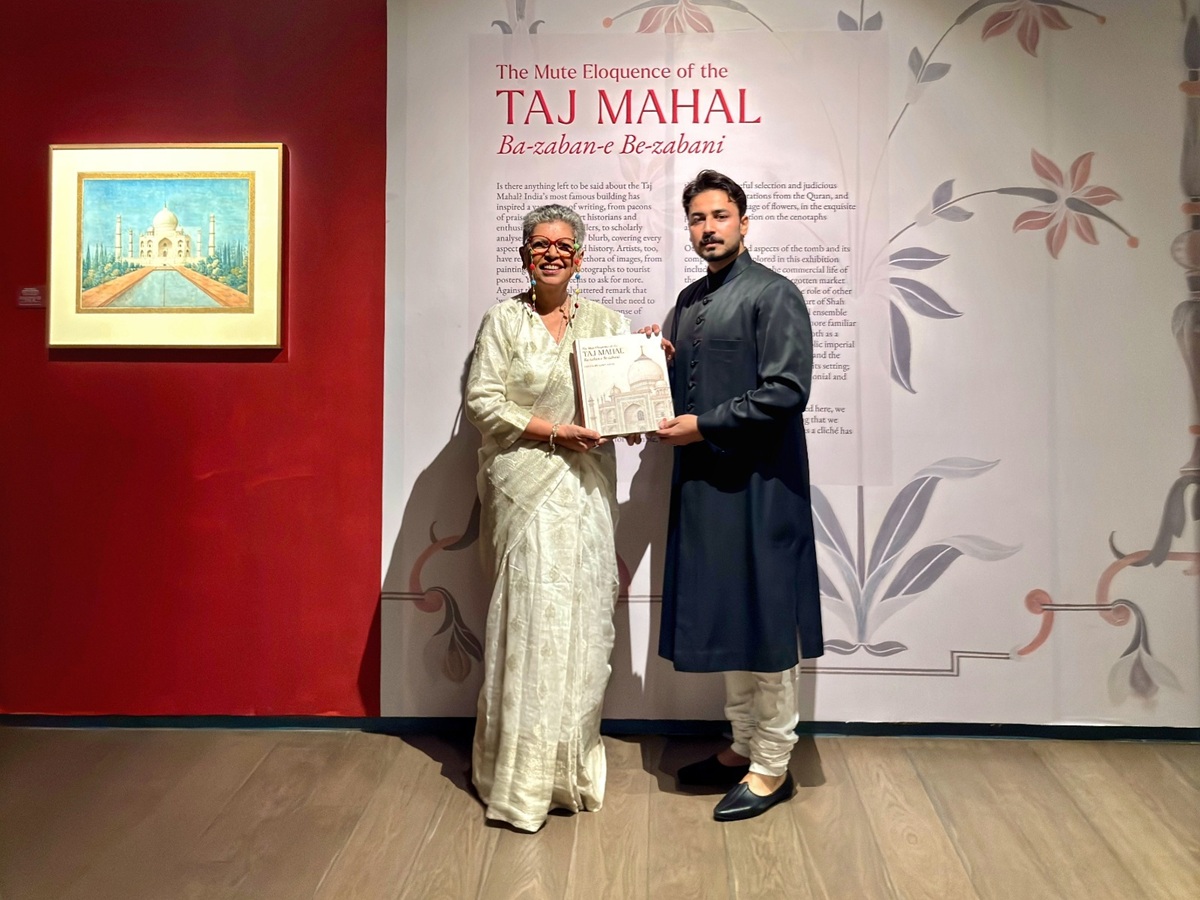
The Muted Eloquence: New Insights On India’s Most Iconic Monument
The ongoing exhibition at Delhi Art Gallery (DAG), titled “The Mute Eloquence of the Taj Mahal” (Ba-zaban-e Be-zabani), moves beyond the cliché of India’s most famous building, the Taj Mahal, by positioning the monument itself as the narrator. Its design, motifs, and architectural nuances are used to reflect the aspirations of Shah Jahan and Mumtaz Mahal, as described by court chronicler Abdul Hamid Lahori.
Layers Of Legacy
Curated by author and historian Rana Safvi, the exhibition explores lesser-known facets of the Taj complex — including its role in Agra’s commercial life (such as Taj Ganj), the presence and influence of other women in Shah Jahan’s court, the Taj’s dual identity as a private family tomb and a public imperial site, and its evolving representation through the colonial period. The show invites viewers to rediscover the monument’s wider cultural and political power.
Sacred and Quotidian
Divided into two sections — the sacred and the quotidian — the exhibition traces the spiritual essence and evolution of the monument, originally known as the Rauza-e-Munawwara (The Illumined Tomb). Together, the sections chart the Taj’s journey from a dynastic mausoleum to a global icon.
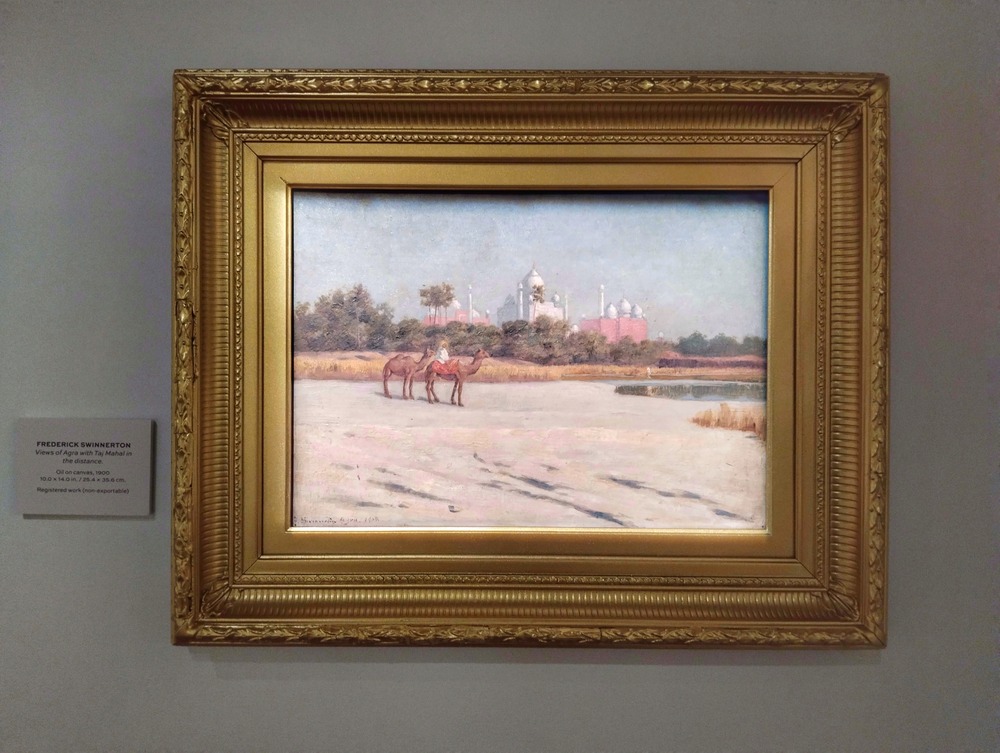
A key highlight is the collection of Company School paintings from Delhi and Agra, which showcase the monument’s intricate pietra dura work. "The artists responsible for these precisely carved floral motifs were trained in court painting, which enabled them to quickly master watercolour and single-point perspective. European patrons commissioned them to produce detailed renderings of architectural motifs, floral forms, geometric patterns and calligraphy", informs Safvi.
The exhibition also features works by foreign artists such as Thomas Daniell, Hiroshi Yoshida and Charles William Bartlett, alongside modern Indian painters including Abanindranath Tagore, L. N. Taskar and S. Bagchi.
The Changing Gaze
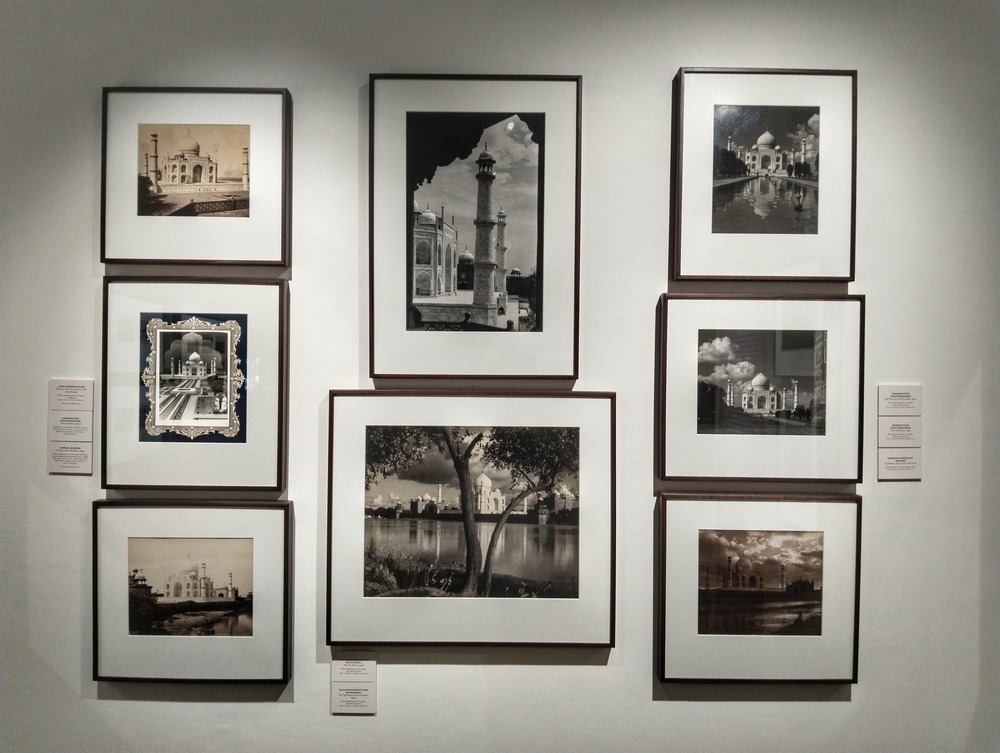
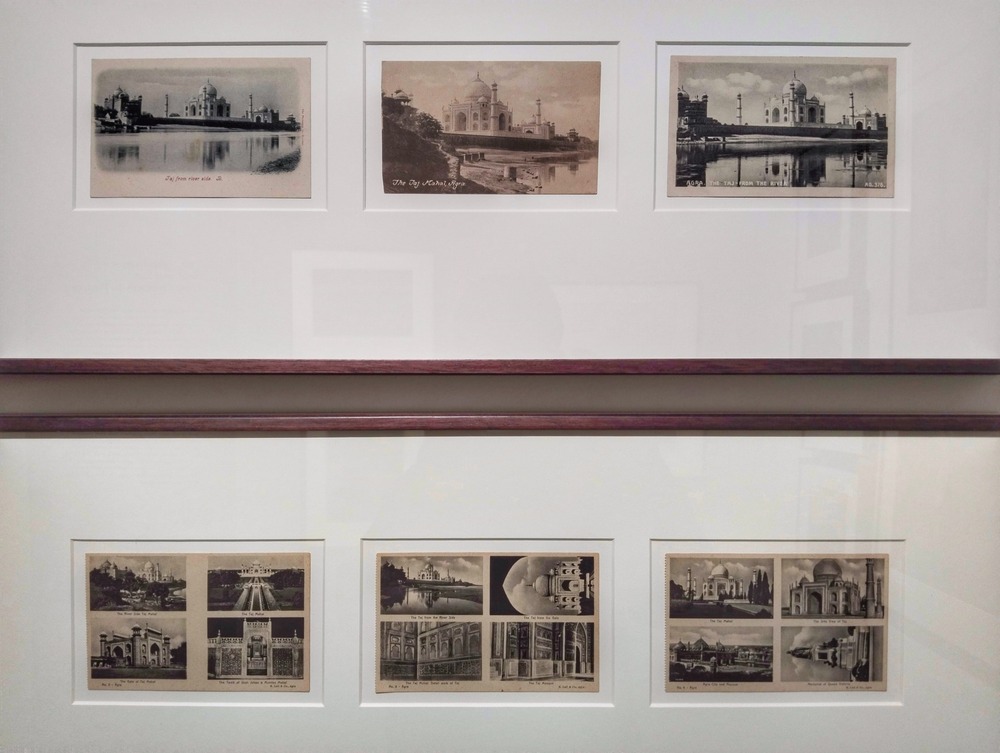
The depiction of the Taj Mahal underwent a dramatic shift between the early 19th and early 20th centuries. Early Company paintings offered close-up, precision-driven studies of its surfaces, often devoid of context. But as the monument’s fame spread globally, artists moved toward distant, wide-angle compositions — particularly views from across the Yamuna — emphasising atmosphere over detail.
This trend soon carried into photography and postcards, transforming the Taj from an architectural subject into a universal aesthetic symbol.
Poetry In Stone
In the early 19th century, Company artists produced intimate interior views of the Taj Mahal’s tomb chamber housing the cenotaphs of Mumtaz Mahal and Shah Jahan. Their works captured the soaring verticality of the chamber and the delicate Pachchikari (pietra dura) inlay on the cenotaphs and marble screen. Western viewers admired these motifs both for their beauty and for their perceived connection to European Renaissance stone inlay.
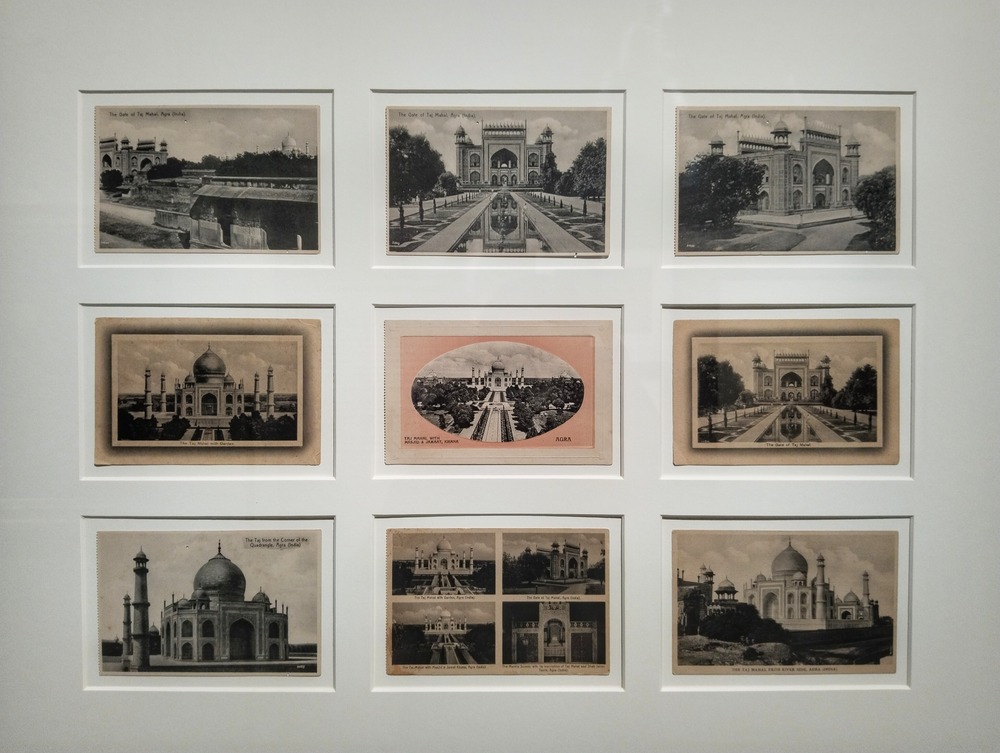
With advances in photography, creators began overcoming the challenge of low-light interiors, allowing images of the graves to become widely circulated through picture postcards by the early 20th century.
Insights & Intuition
Heritage influencer Syed Mohammad Zaid, who was present at the exhibition, says the Taj Mahal is something that cannot be comprehensively defined in any one book, article, or set of known words. "Everyone looks at the Taj with a different 'nazariya', another way of seeing. And at this exhibition, in many moments, I seemed to hear some of the very "voices" that, as a child, I used to imagine within the Taj: of history, piety, and human feelings."
"Despite centuries of writing and discussions, the Taj Mahal encourages new meanings. The exhibition curated by Rana Safvi presents the monument as if it could speak. Its architecture, Quranic calligraphy, and intricate floral motifs become expressions of the beliefs, hopes, and sorrows of Shah Jahan and Mumtaz Mahal", he adds.
The exhibition's most engaging aspects focus on the lesser-known facets of the Taj Mahal, exploring its dual identity, the influence of the Yamuna River and gardens, and the effect of colonial narratives.
"These insights challenge us to look beyond the familiar stories. The Taj Mahal, often reduced to a sentimental stereotype, still has the power to surprise us, still speaks, still reveals, and still transforms our understanding. And for me, this was not merely an art exhibition; it was a personal moment of rediscovery: a reminder that some monuments are not seen but felt", concludes Zaid.
The Monument’s Message
More than a display of rare paintings, photographs and archival material, “The Mute Eloquence of the Taj Mahal” positions the monument as a profound architectural meditation on mortality, resurrection and divine harmony. It encourages viewers to engage with the Taj not merely as a symbol of romance, but as a testament to imperial vision, skilled craftsmanship and layered cultural histories.
The critically acclaimed exhibition is on view at the Delhi Art Gallery (DAG), Windsor Place, Janpath, New Delhi, until December 6, 2025.
Popular Categories
Read More Articles

Technology
Dyson’s new Rs 47,000 toothbrush can ‘see’ between your teeth. Would you pay? by Awadh 360° Desk September 3, 2026
Politics
Seven Streams, One Goal: Inside PM Modi's 'Saptadhara' Vision To Build A Viksit Bharat by Abhishek Tandon August 30, 2026
Politics
Bankipur bypoll: More than one seat, Prashant Kishor’s first real political breakthrough by Awadh 360° Desk August 4, 2026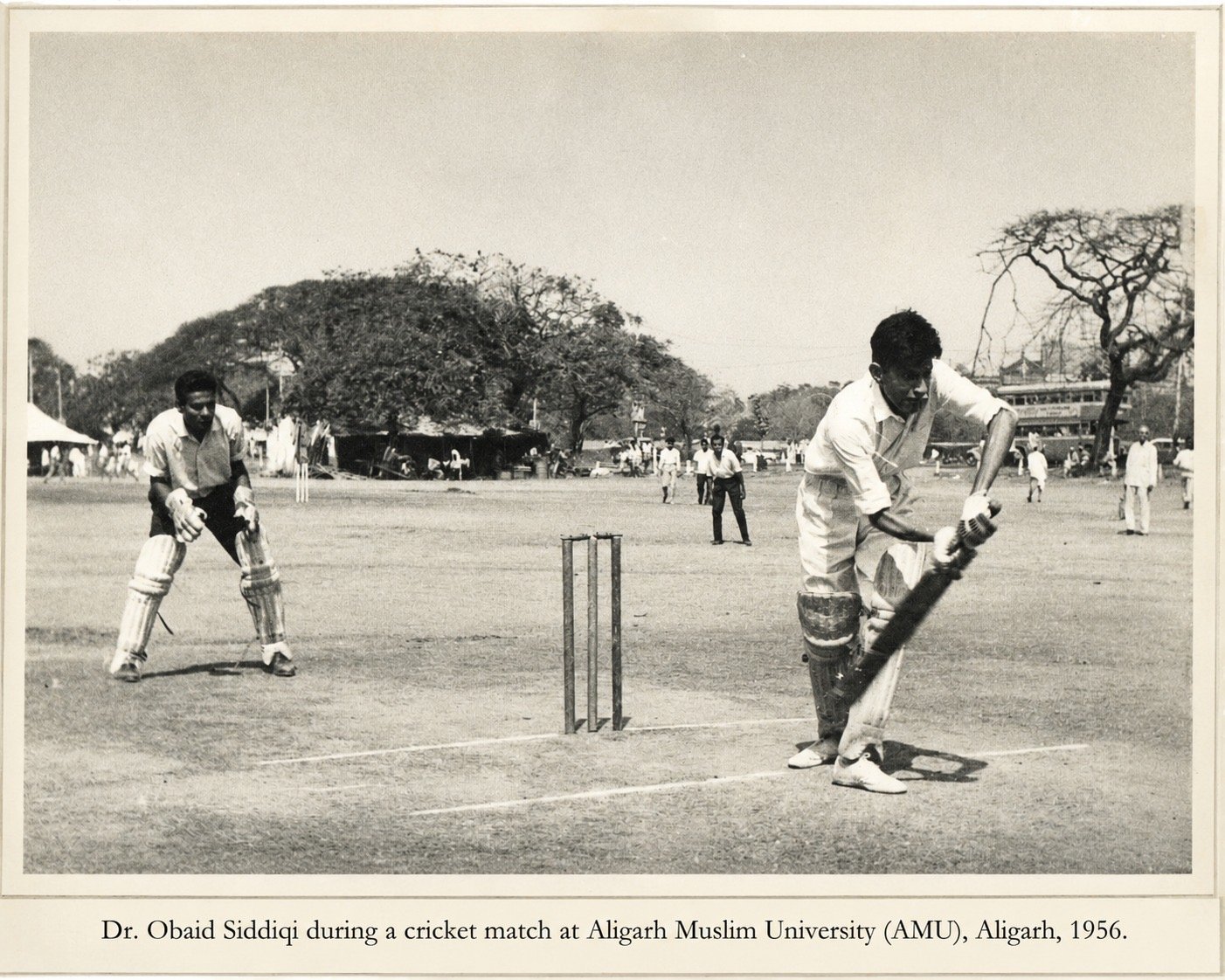
Education
Journey Of An AMU Student Who Became The 'Father Of Indian Molecular Biology' by Afiya Shamshad and Saud Bin Anees August 2, 2026